
About All Tours Snorkeling ToursFull Day ToursWest ToursFrom Bali ToursPrivate ToursBoat ToursManta Ray Tours Directions Hours & Fees
Find Tours 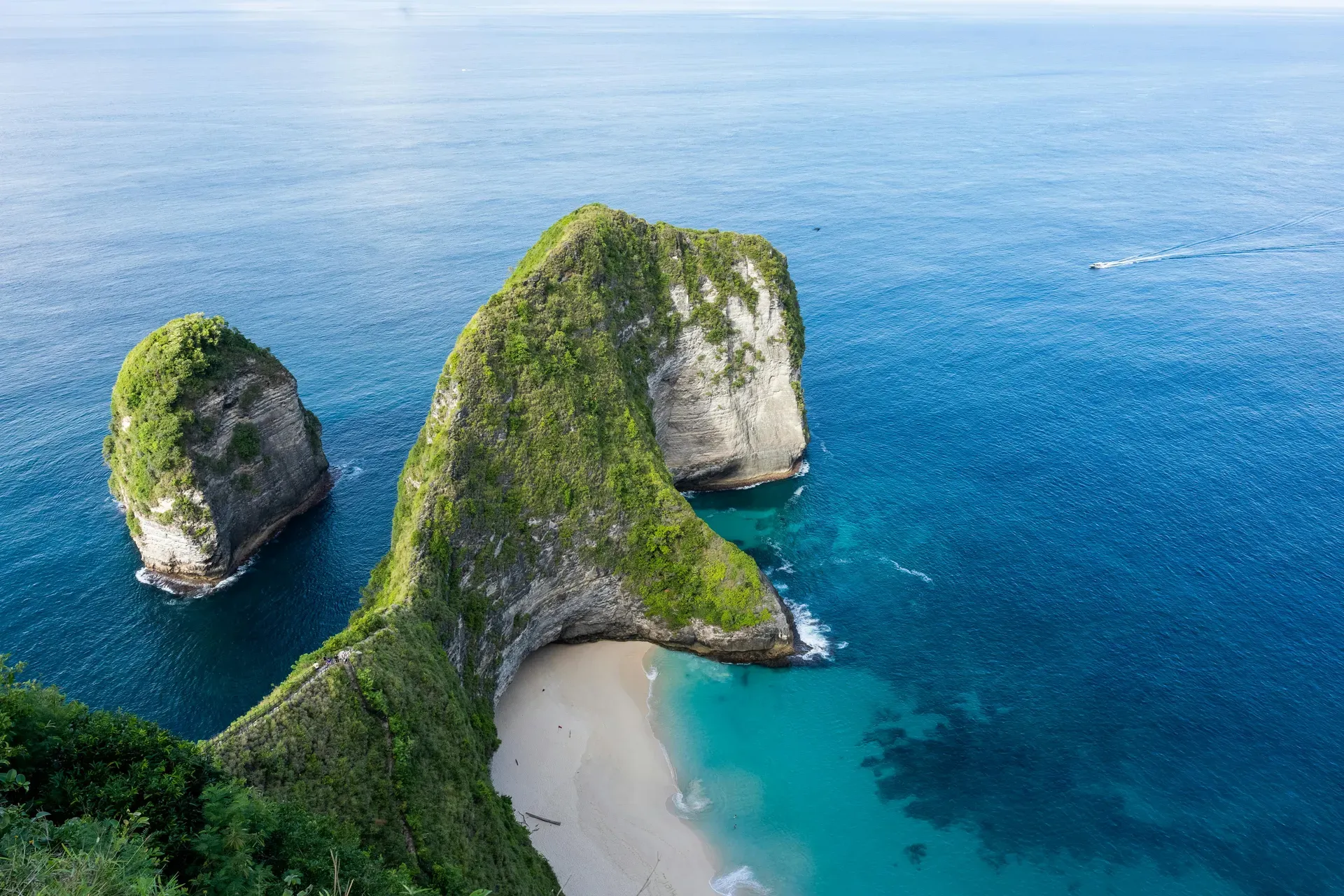
Separated from mainland Bali by the Badung Strait, Nusa Penida spans 202.84 square kilometers of untouched natural beauty, featuring sheer limestone cliffs rising 200 meters above the Indian Ocean. Visitors can hike down the iconic T-Rex headland at Kelingking Beach or swim alongside resident reef manta rays in the island's 20,057-hectare Marine Protected Area.
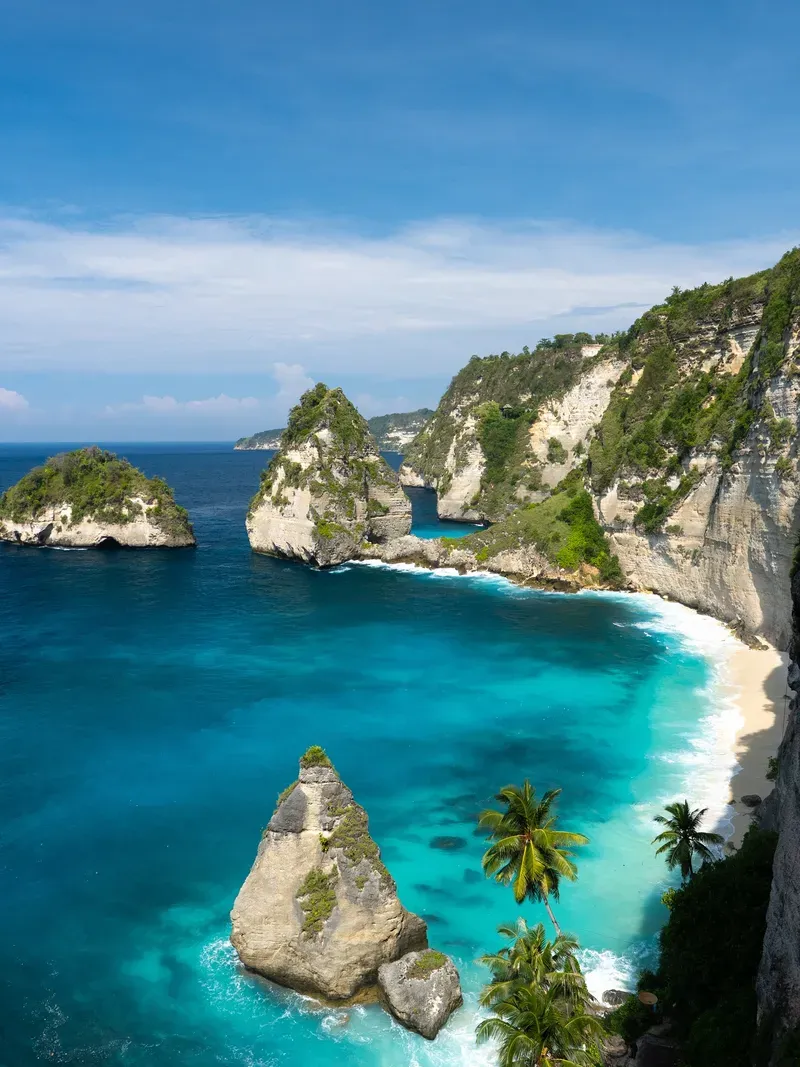
Find Guided ToursNusa Penida is the largest of three islands located southeast of mainland Bali across the Badung Strait. Covering 202.84 square kilometers, this district of the Klungkung Regency is home to 65,820 residents. The island features a distinct geography with a hilly interior divided into three plateaus. Mount Mundi forms the highest elevation at 524 meters. Along the northern coast, coral plateaus support local seaweed farming. In contrast, the southern coastline is defined by rugged limestone cliffs that drop 100 to 200 meters directly into the Indian Ocean.
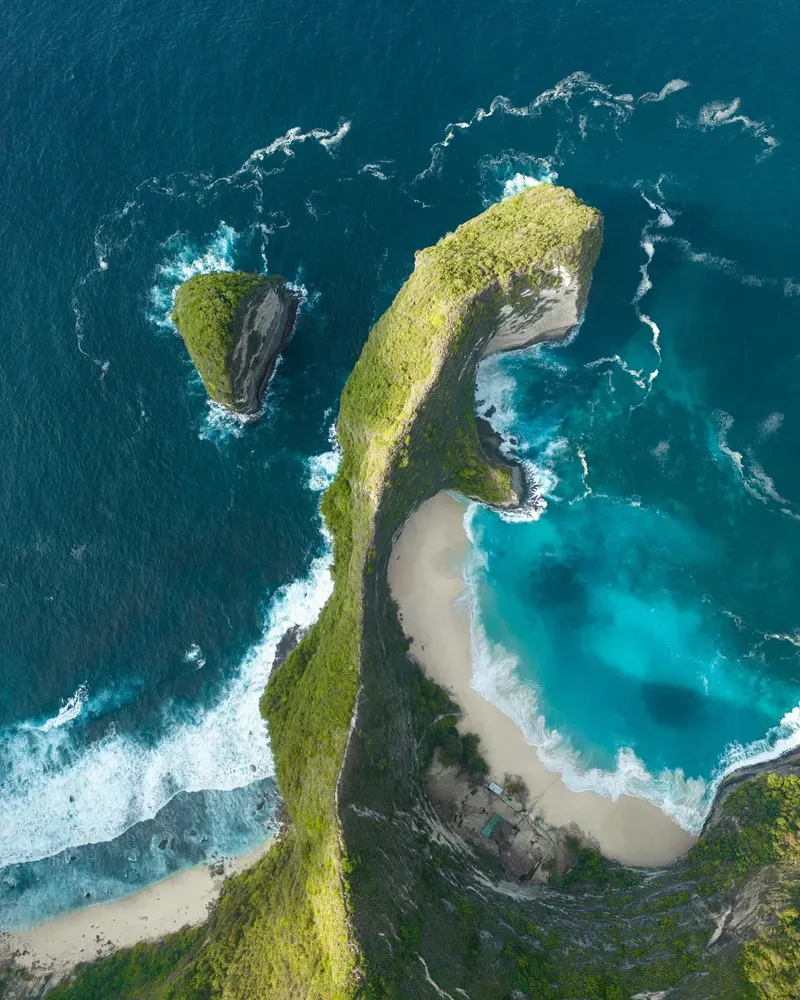
The island stands in stark contrast to the highly developed tourist centers of mainland Bali. It has a significantly drier climate and retains an untouched natural environment. Visitors recognize the T-Rex-shaped headland at Kelingking Beach, but the region is equally critical for wildlife conservation. Local traditional village laws protect the island's status as a sanctuary for the endangered Bali Starling. Offshore, a 20,057-hectare Marine Protected Area provides a habitat where divers can swim with resident reef manta rays and the Oceanic Sunfish, or Mola Mola.
Human history on Nusa Penida dates back to at least 914 AD. The Belanjong Pillar records a military campaign by King Sri Kesari Warmadewa during this era. By the 17th century, the Gelgel Dynasty conquered the territory, and it eventually fell under the rule of the Klungkung Kingdom.
Around 1900, Dutch maps labeled the area as Bandieten Eiland, or Bandit Island. Mainland kingdoms used the isolated, rugged terrain as a penal colony. Criminals, political dissidents, and practitioners of black magic were exiled here, separated from Bali by the strong ocean currents. Today, that same isolation preserves the dramatic landscapes and marine ecosystems that define the district.
Discover the full history and cultural significance on our About page.
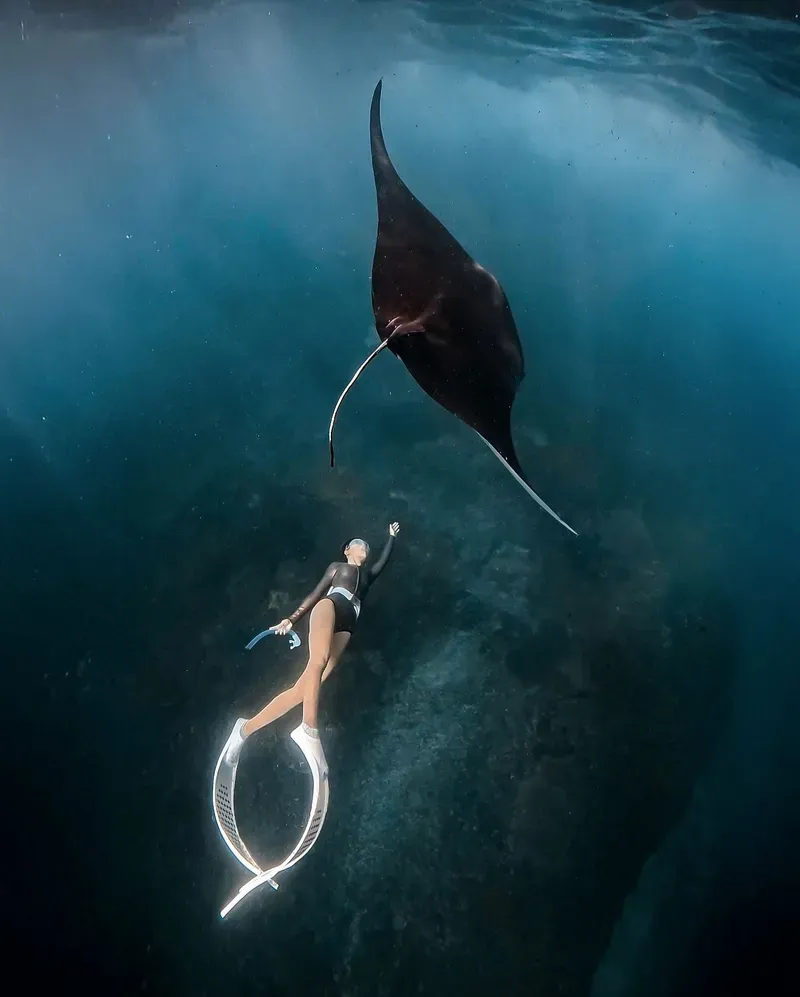
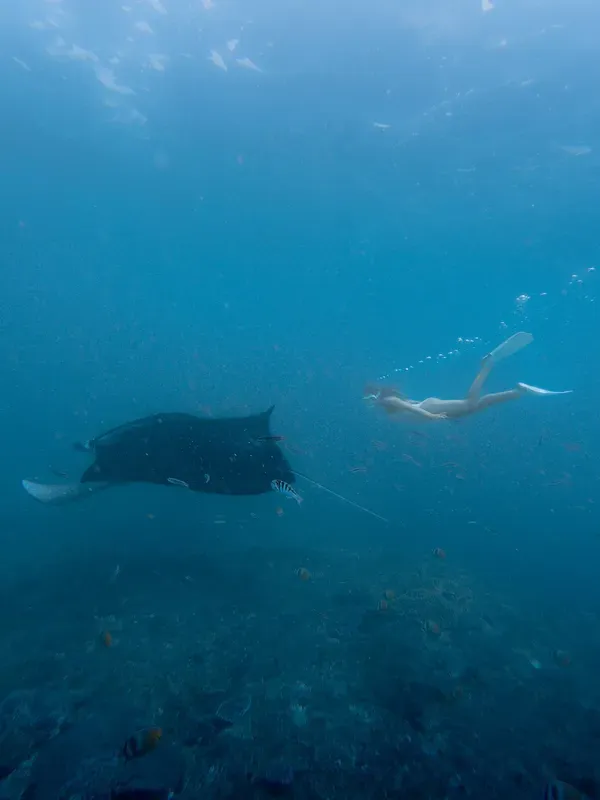
Enter the waters at Manta Point to swim alongside resident reef manta rays at their year-round cleaning stations. If you visit between July and October, cold upwellings bring the elusive Mola Mola to shallower depths. An official Marine Protected Area fee of IDR 100,000 applies for ocean activities.
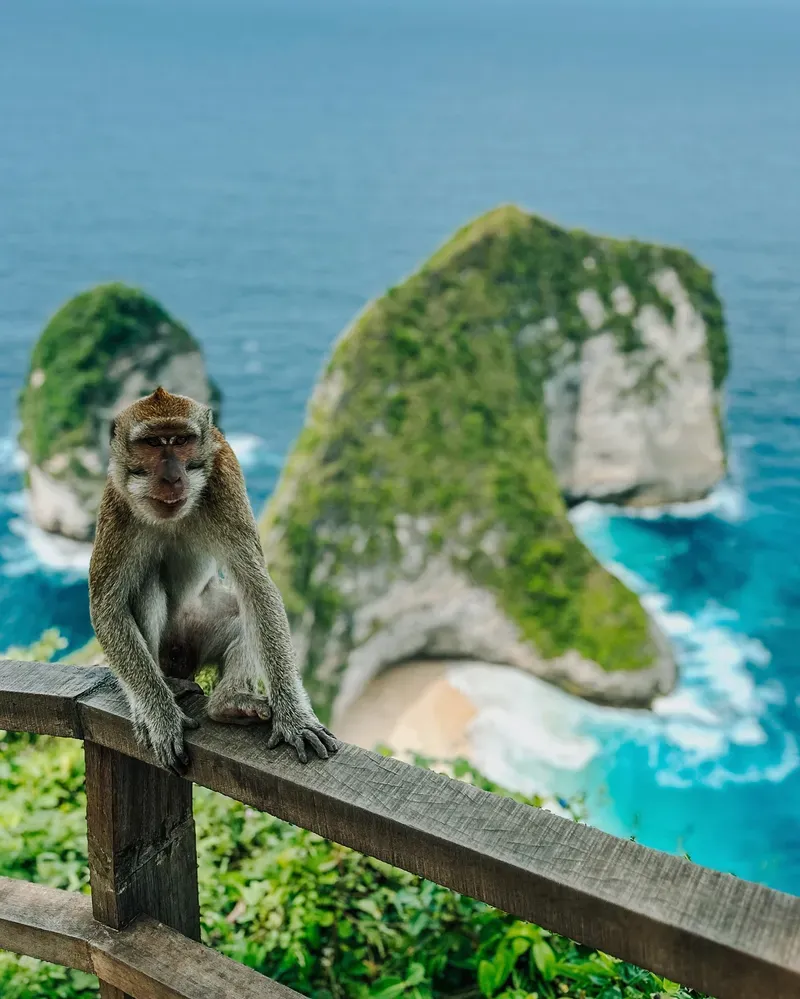
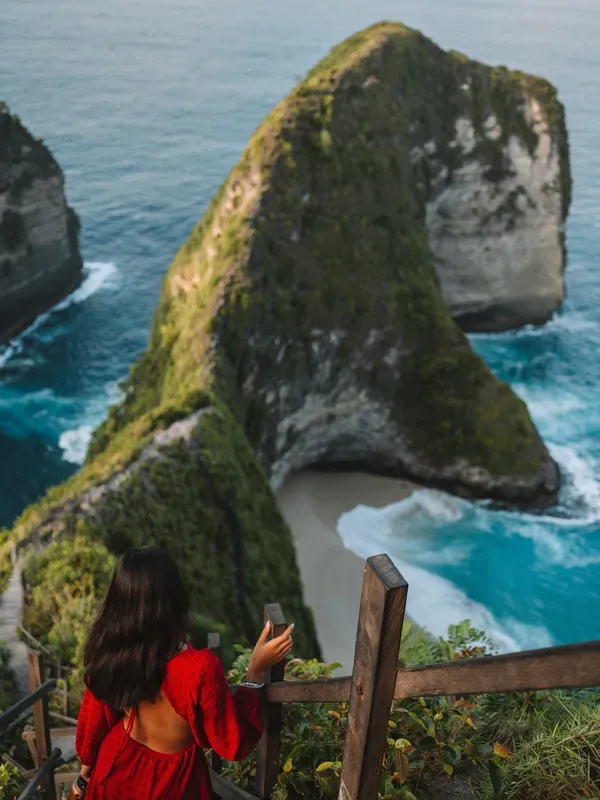
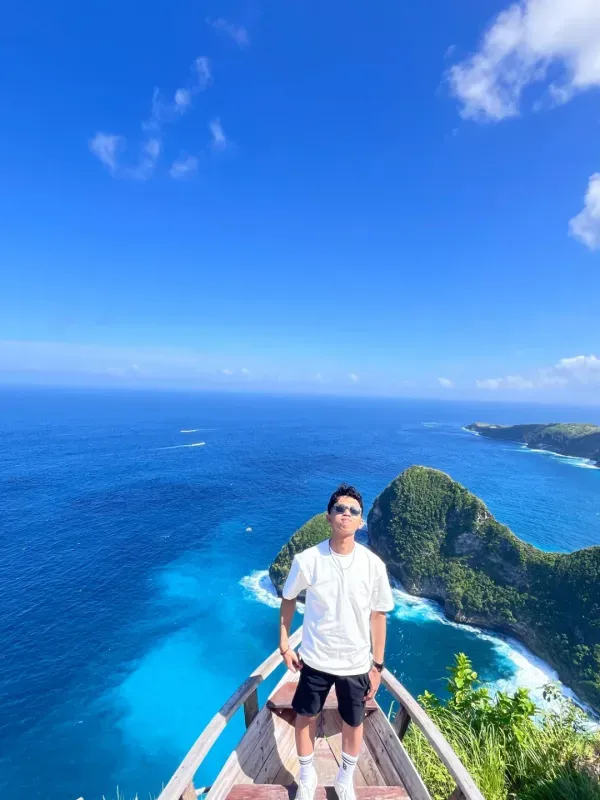
Arrive by 06:00 AM to beat the crowds to the iconic T-Rex-shaped headland at Kelingking Beach. Wear sturdy closed-toe shoes to navigate the extremely steep spine down to the white sand. Swimming is strictly prohibited here due to powerful undertows that create dangerous ocean currents.
Squeeze through a tiny mountain crack to access Goa Giri Putri, a massive underground Hindu cave temple stretching over 300 meters long. Modest dress is strictly enforced. You must wear a traditional sarong and sash, which are available for rent at the site entrance.
Walk along the southern coast to see sheer limestone cliffs rising 100 to 200 meters above the Indian Ocean. At Broken Beach, a massive circular archway allows water into a natural pool. Nearby, Angel's Billabong features a rock-carved infinity pool strictly accessible only during low tide.
Hand-picked tours with free cancellation and verified reviews
 Free Cancellation 10h
  Free Cancellation 8h
  Free Cancellation
  Free Cancellation
  Free Cancellation
  Free Cancellation
  Free Cancellation 8h
  Free Cancellation 9h
 The optimal time to visit Nusa Penida is during the dry season from April to October. These months provide sunny weather, calm seas, and the highest visibility for diving and snorkeling.
March concludes the rainy season with lingering rough seas and slippery roads. April and May transition into the dry season, bringing sunny skies and calm waters ideal for diving.
This period falls squarely within the dry season, offering excellent visibility for snorkeling and calm sea crossings. July and August also mark the beginning of the Mola Mola diving season.
September and October maintain excellent dry season conditions with continued opportunities to spot Oceanic Sunfish. November shifts into the rainy season, introducing heavy monsoons and rougher ocean currents.
Heavy monsoons dominate these months. Expect slippery, dangerous road conditions across the island's steep terrain and rough sea crossings that frequently result in fast boat cancellations from Sanur.
Natural attractions across the island are accessible during daylight hours, generally from 06:00 to 19:00.
| Category | Price |
|---|---|
| Adult Island Entry Fee | IDR 25,000 |
| Child Island Entry Fee | IDR 15,000 |
| Marine Protected Area (MPA) Snorkeling & Diving Fee (Per Day) | IDR 100,000 |
| Mandatory Bali Provincial Tourism Tax | IDR 150,000 |
Visitors must pay the mandatory Bali Tourism Tax upon arrival in the province. Carry significant cash in Indonesian Rupiah (IDR), as most local entry points, warungs, and drivers do not accept credit cards.
For complete schedules and ticket prices, visit our Hours & Fees page.
Separated from mainland Bali by the Badung Strait, Nusa Penida is exclusively accessible by sea. Travelers can choose from over 90 daily boat departures, ranging from modern fast boats to local vehicle ferries.
This 25-kilometer crossing serves as the most popular transit route to the island. More than 40 daily departures leave from the modern Sanur terminal, providing comfortable boarding conditions for passengers. Travelers should note that the Badung Strait crossing can experience extremely choppy sea conditions. Taking motion sickness medication 30 minutes prior to boarding is highly recommended for sensitive passengers.
This route offers the shortest sea crossing to the island, covering a distance of just 12 kilometers. The departure point at Kusamba Port sits further away from major mainland tourist hubs like Kuta and Seminyak. It provides a faster alternative for visitors staying on the eastern side of Bali. Operations can be impacted by heavy monsoons between November and March.
The public ferry covers approximately 30 kilometers and stands as the only transportation method capable of carrying vehicles like scooters or cars to the island. Scheduled departures occur twice daily at 10:00 and 14:00. However, these sailings frequently experience significant delays. This option is best suited for travelers prioritizing budget over strict adherence to a specific timeline.
Small local speedboats continuously ferry passengers across the narrow two-kilometer channel separating the neighboring islands. Boats depart directly from the Yellow Bridge area on Nusa Lembongan throughout the day. This provides a highly efficient transit method for tourists already exploring the immediate archipelago. The short distance ensures a brief transit time regardless of standard sea conditions.
For detailed transport options and routes, visit our Directions page.
The island has roughly 10 to 15 ATMs concentrated in northern hubs like Toya Pakeh and Sampalan. These machines frequently run out of cash or reject foreign cards. Local warungs, private drivers, and entry gates rarely accept credit cards. Withdraw enough currency before leaving mainland Bali.
Ride-sharing apps like Grab and Gojek do not operate here. Scooter accidents are the leading cause of tourist injuries due to steep inclines and loose gravel. Book a private car instead, especially since riding without an International Driving Permit carries fines up to IDR 1,000,000.
Plan to arrive at this famous viewpoint right when daylight hours begin at 06:00 AM. Massive crowds of day-trippers from mainland Bali start flooding the site around 09:30 AM. An early arrival guarantees better photographs and a cooler, safer hike down the steep limestone spine.
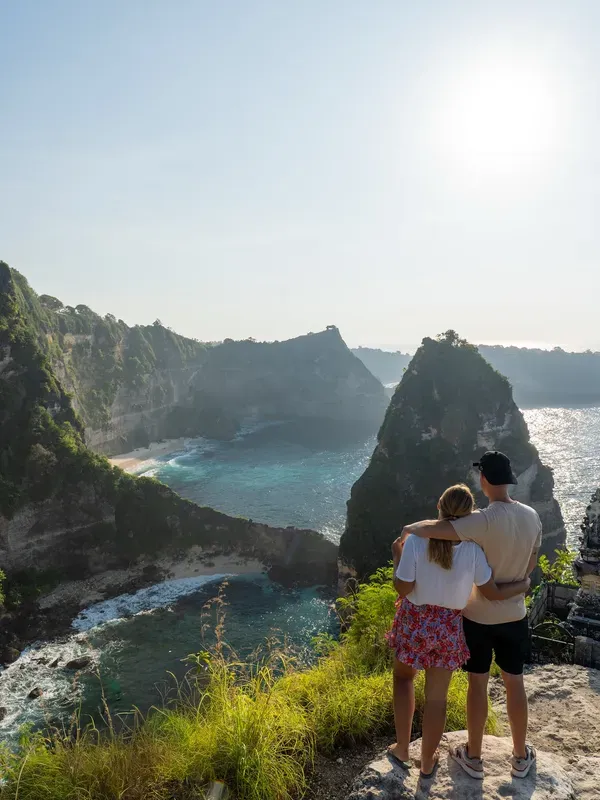
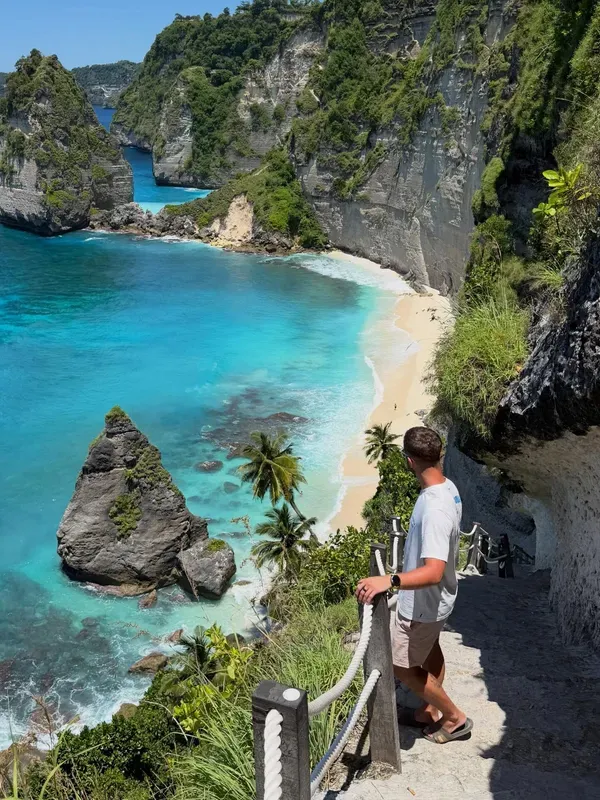
Reaching beaches like Diamond and Kelingking requires descending hundreds of narrow, uneven stone stairs. Flip-flops are highly dangerous on these steep and slippery inclines. Pack closed-toe athletic or hiking shoes to navigate the rugged terrain safely. Many viewpoints lack adequate safety railings.
Single-use plastics, including beverage bottles under one liter, are officially banned under provincial regulations. Since tap water is not potable and causes stomach illness, you must rely on filtered water. Bring a reusable flask and utilize refill stations at hotels or restaurants throughout the island.
Never attempt to swim at Kelingking or Diamond Beach due to powerful undertows that have caused multiple drownings. Similarly, stay out of the natural pool at Angel's Billabong during high tide. Rogue waves frequently wash over the rocks and can pull swimmers out into the ocean.
This neighboring island is widely recognized for its active seaweed farms and the dense Mangrove Forest. Tourists frequently gather to watch the powerful ocean spray at the Devil's Tear blowhole.
Accessible via the iconic Yellow Bridge, this destination provides a distinct coastal landscape. Visitors travel here specifically to see the Blue Lagoon and utilize the local cliff-jumping spots.
Consisting of three tiny islands known as Trawangan, Meno, and Air, this archipelago enforces a strict car-free environment. The surrounding waters are famous for providing excellent turtle snorkeling opportunities.
Read what travelers share about their experience visiting Nusa Penida — from practical tips to personal highlights.
The most popular route is taking a fast boat from Sanur Port, which covers 25 km in 30 to 45 minutes and costs between IDR 150,000 and 300,000. There are over 40 daily departures from the Sanur terminal. Alternatively, you can take a public ferry from Padang Bai for IDR 31,700 if you need to transport a scooter or car.
Visitors must pay an island entry fee of IDR 25,000 for adults and IDR 15,000 for children. You are also required to pay the mandatory Bali Tourism Tax of IDR 150,000 upon arrival in the province. Anyone entering the water for snorkeling or diving must pay an additional Marine Protected Area fee of IDR 100,000 per day.
The best months to visit are April to October during the dry season. These months provide sunny weather, calm seas, and the highest visibility for diving and snorkeling. Avoid November to March, as heavy monsoons cause rough sea conditions and frequent boat cancellations.
You should bring plenty of Indonesian Rupiah in cash. While there are 10 to 15 ATMs located mainly in the northern hubs of Toya Pakeh and Sampalan, they frequently run out of money or reject foreign cards. Most local warungs and drivers do not accept credit cards.
No, ride-sharing apps like Grab and Gojek do not operate on Nusa Penida. You must hire a private driver or rent a scooter to navigate the island. If renting a scooter, you legally need an International Driving Permit, and fines for riding without one can reach IDR 1,000,000.
Wheelchair accessibility on the island is very poor. The terrain is highly rugged with steep, unpaved paths. Reaching major attractions like Diamond Beach or Kelingking Beach requires descending hundreds of narrow, uneven stone or bamboo stairs.
Pack sturdy closed-toe shoes for hiking steep limestone steps, as flip-flops are dangerous on the trails. Bring a reusable water bottle to comply with the local ban on single-use plastics, and a sarong if you plan to visit temples like Goa Giri Putri. You might also want motion sickness pills for the 30-minute boat crossing.
Swimming is highly dangerous at Kelingking Beach and Diamond Beach due to powerful undertows that have caused multiple drownings. For a safer experience, visit Crystal Bay or swim in the natural pool at Angel's Billabong, but only during low tide to avoid rogue waves.
Browse verified tours with free cancellation and instant confirmation.
Find Tours